Newsweek magazine ranked zZounds #1 in customer service among music gear retailers for both 2023 and 2024.
Learn more
you're approved
Simply add any No credit check item to your cart and check out. It's that easy! No paperwork, no SSN, no income questions, no interest charges and no late fees.
Learn more
Welcome to zZounds. Get free shipping on instruments and musical equipment, easy zero-interest payment plans, and top-rated service.
Get Our Newsletter
From The Blog
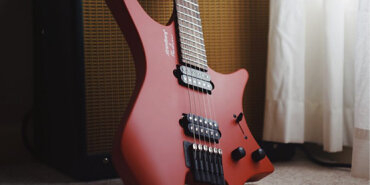
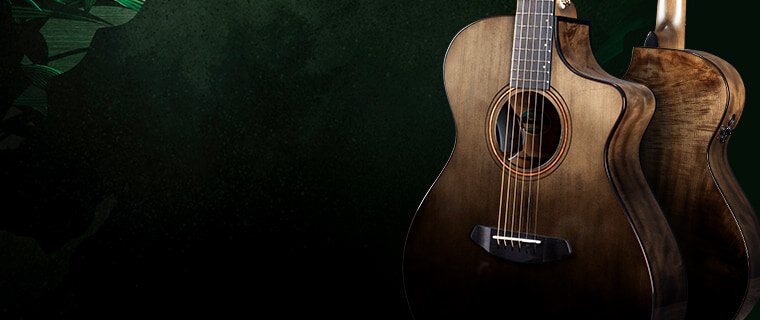
Strandberg Boden Essential: The Producer’s Axe
With the Boden Essential line, Strandberg makes their mighty guitars more affordable than ever! In this post, Alex offers his take on what the Boden Essential has to offer as a studio instrument.
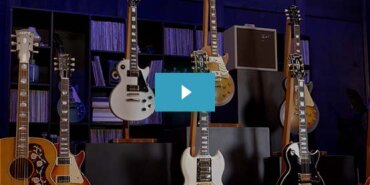
Check out the Epiphone Inspired by Gibson Custom lineup of guitars that features high-end appointments (and Gibson-style headstocks) at an affordable price point.
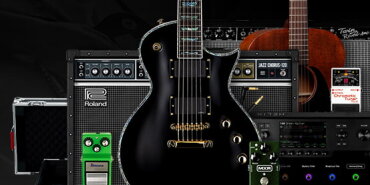
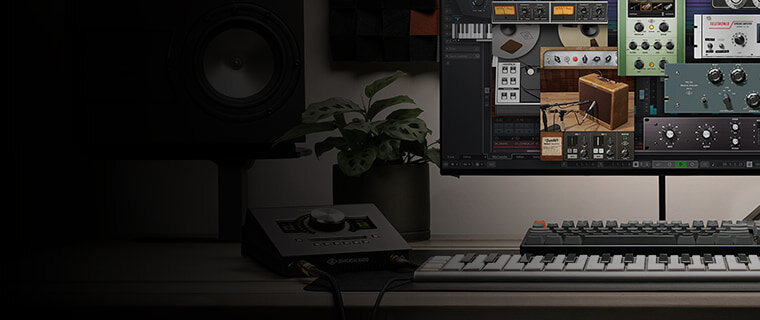
To help you build the ultimate signal chain, we've assembled this All-Star Guitar Rig list, featuring guitars, amps, pedals, and accessories that suit just about any style.
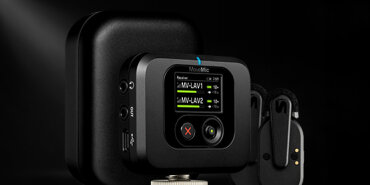
The MoveMic offers content creators up to 24 hours of on-the-go wireless recording via a discreet clip-on lavalier mic that sends audio directly to your phone. Learn more in our Spotlight guide!
"zZounds is amazing. In this day and age to have a store that still offers in house no interest payment plans, AND a great selection of gear is pretty amazing. I love these cats!"
March 22, 2024
This is a carousel with auto-rotating slides. Rotation may be stopped using the Pause button. Jump to a slide with the slide dots.
With the Boden Essential line, Strandberg makes their mighty guitars more affordable than ever! In this post, Alex offers his take on what the Boden Essential has to offer as a studio instrument.
Check out the Epiphone Inspired by Gibson Custom lineup of guitars that features high-end appointments (and Gibson-style headstocks) at an affordable price point.
To help you build the ultimate signal chain, we've assembled this All-Star Guitar Rig list, featuring guitars, amps, pedals, and accessories that suit just about any style.
The MoveMic offers content creators up to 24 hours of on-the-go wireless recording via a discreet clip-on lavalier mic that sends audio directly to your phone. Learn more in our Spotlight guide!